Distinctive Brand Assets in an AI world
Building a system that makes quality ads consistently, easily.
Building Distinctive Brand Assets (DBAs) is one of the smartest things we can do in marketing. AI makes this a thing we can exploit even more.
We get about 2-3 seconds before people scroll past or stop watching our ad. I’m generalising in the sense that some ads might get six seconds in the right channel, with the right creative. But we have this tiny window of seconds, where we must to get our brand into people’s memories.
They must notice our brand if we want them to retrieve it later. Not just notice the ad, but the brand.
Plastering your brand name from the opening frame is an option but it can feel bolted-on or makes it harder to land your idea. That’s why Distinctive Brand Assets are so useful. They do the heavy lifting.
In 2021, when I was running marketing at The National Lottery in Ireland, we would show this waterslide image in our research. No name. No logo. No tagline. Yet 72% of the country could still spontaneously name the brand.

The waterslides were a DBA that we had built through consistent and rigorous advertising. People recognised the brand without us having to cram our name into opening frames. This gave us freedom to push creativity, safe in knowledge that every ad impression wasn’t falling at the first hurdle - getting the brand noticed and hopefully into long term memories. People knew who was advertising so we could focus on making the ads enjoyable - another useful goal in ads.
We can credit the brilliant Jenni Romaniuk with the phrase, and the science behind Distinctive Brand Assets. I wrote about them in my first book six years ago. And later when I joined The National Lottery, we built a bunch of Distinctive Brand Assets and were extremely rigorous and disciplined in using them.
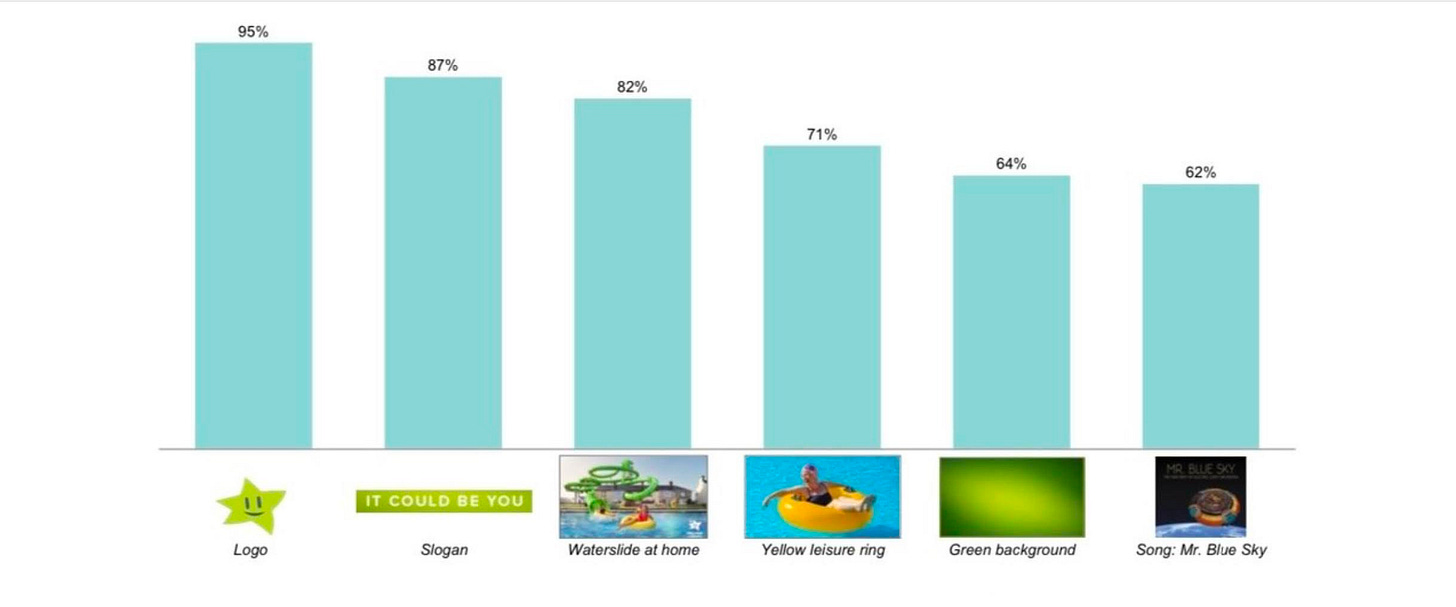
We built them, and then sweated them it in all our communications. Our logo, our tagline, our waterslides, our green background and our music track - we used consistently as a toolbox. And we measured them often. You cannot manage what you don’t measure.
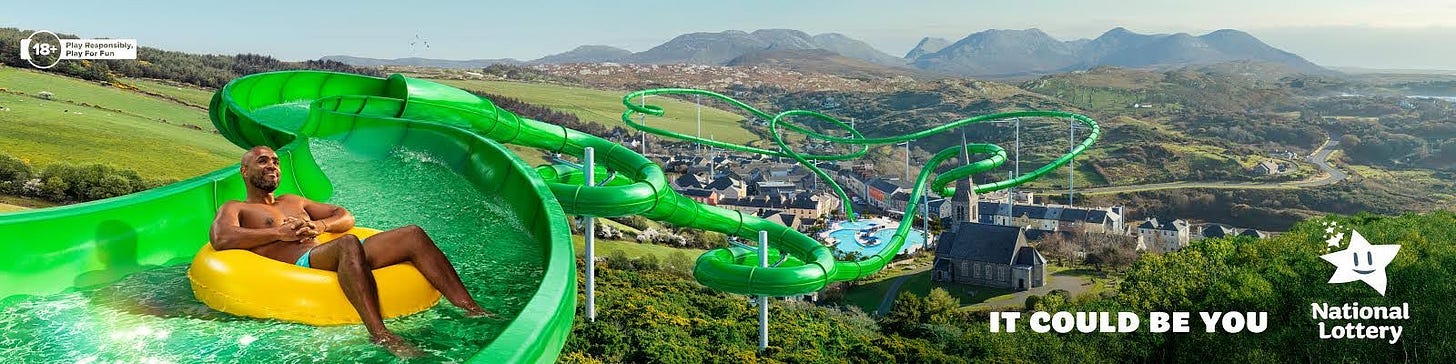
This first campaign, internally known as “William” was our first introduction of the asset, and our re-introduction of the tagline “It could be you” which we’d had dropped some years earlier. Few brands had taglines that were liked, famous and still relevant. So it was an easy enough decision to bring it back.
The following year we launch Village, which played into a different insight but allowed us to tell new, entertaining and joyful stories linked to our waterslides. Joy is a big thing for this brand.
We resisted the temptation to move away from this, and instead always looked to see how we could build onto it, to have ‘fresh consistency’. For example, we focused on the yellow inflatable ring and developed that into a distinctive asset itself - which we measured.

Character Brand Assets
Character assets are some of the strongest Distinctive Brand Assets companies can have. One advantage of character brand assets is flexibility. You can use them as heroes in your ads, not just aesthetics within the ads. Over time, if consistently used, people recognise your brand at a glance. This is far more important than folks realise.
We created a Dream Inspector character for this reason, and built this into a recognisable asset. Within a year or so, over 60% of adults could attribute our brand to this character.
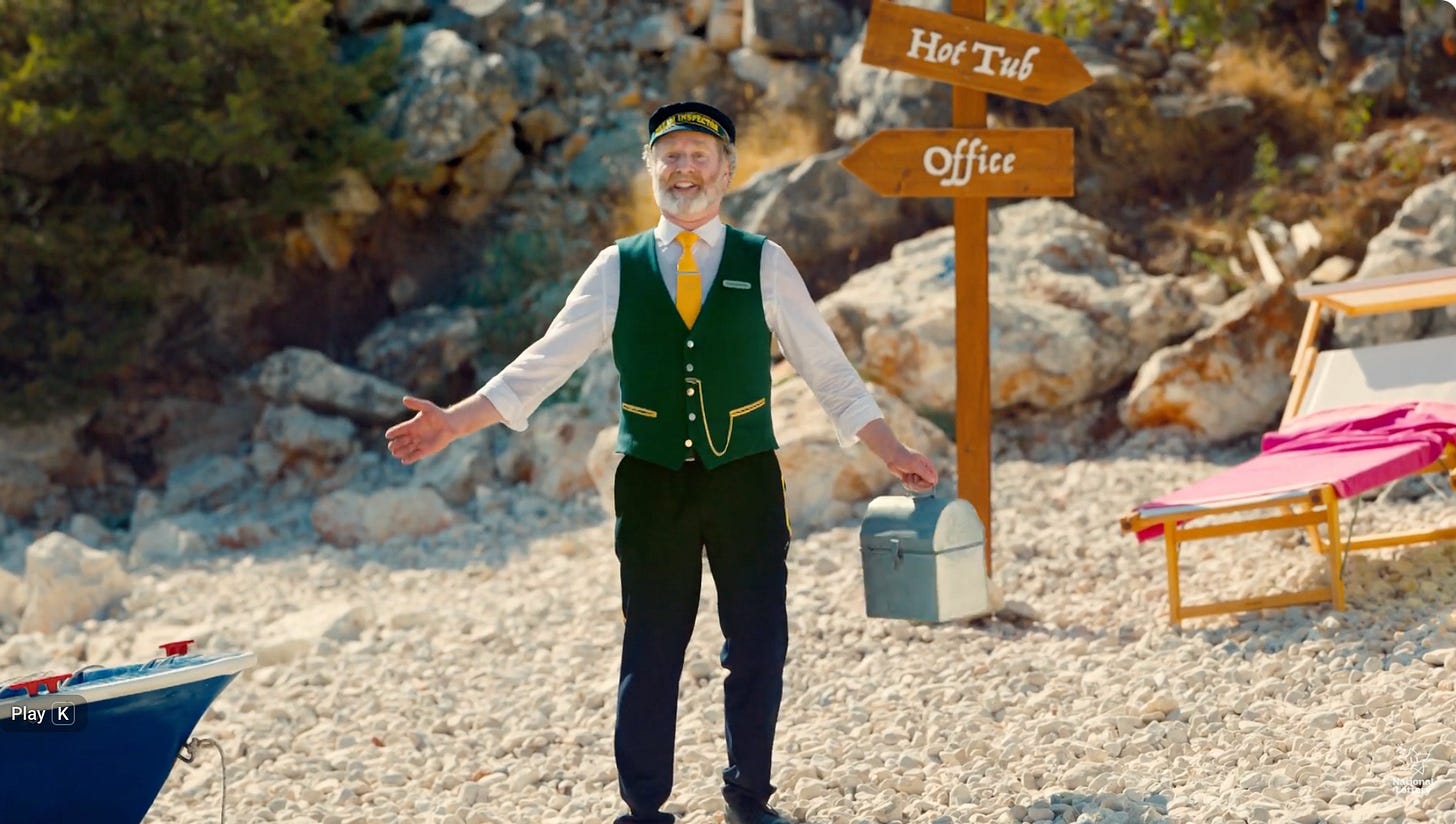
You can see how we used the Dream Inspector into our short format activation ads in the opening seconds.
Use AI to sweat your assets
The challenge in past was production. I could do a two-day shoot and plan in as much footage, photography as possible to get all sorts of ads for all our channels. I was lucky that we had the resources for this.
Small teams and small brands do not. But even with that, it had to be planned ahead. Few brands have writing teams and art directors ready to create new ads or content every week. Not if you care about quality and consistency. You can argue they don’t need to, but this is a different discussion.
AI removes that constraint. If you are willing to built a system.
Grumpy foxes
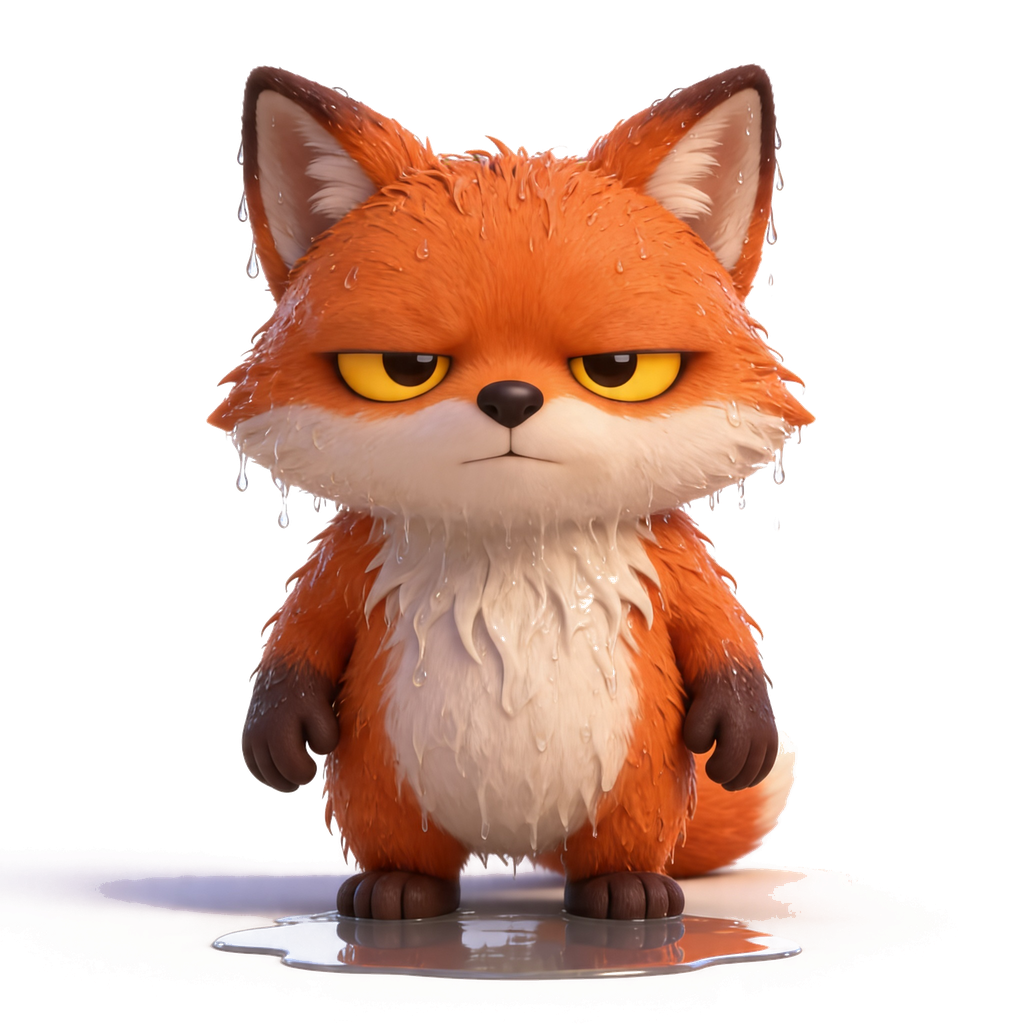
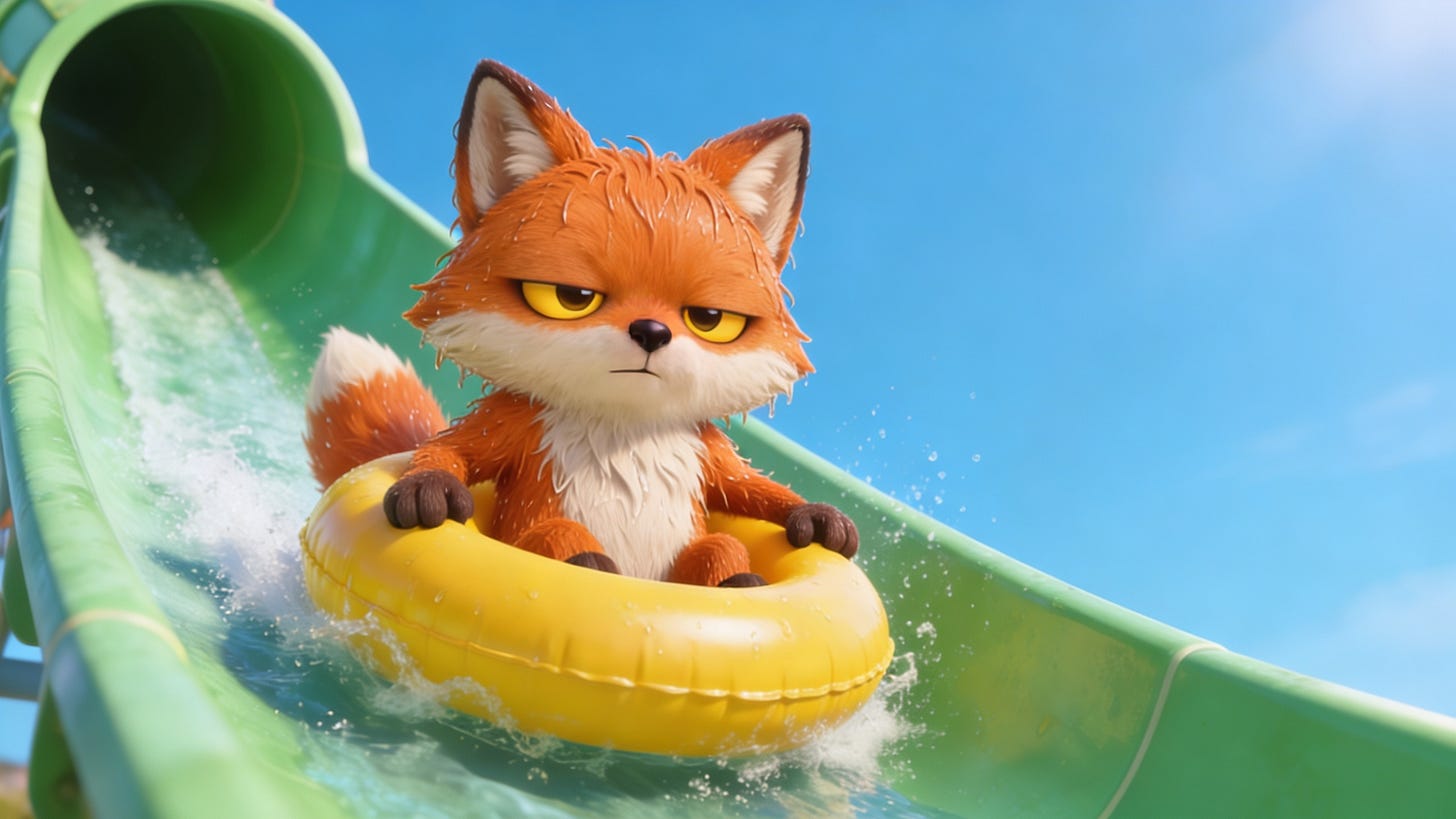
The title of my first book and now my consultancy is “Run with Foxes”. I’ll explain why in another article. But my grumpy fox is my Distinctive Brand Asset character. Or foxes - there’s more than one.
I’ve built an ad engine that creates ads using my fox. I can brief my AI system and get back something in a few minutes. The level of consistency, right down the grumpy attitude of the fox is impressive.
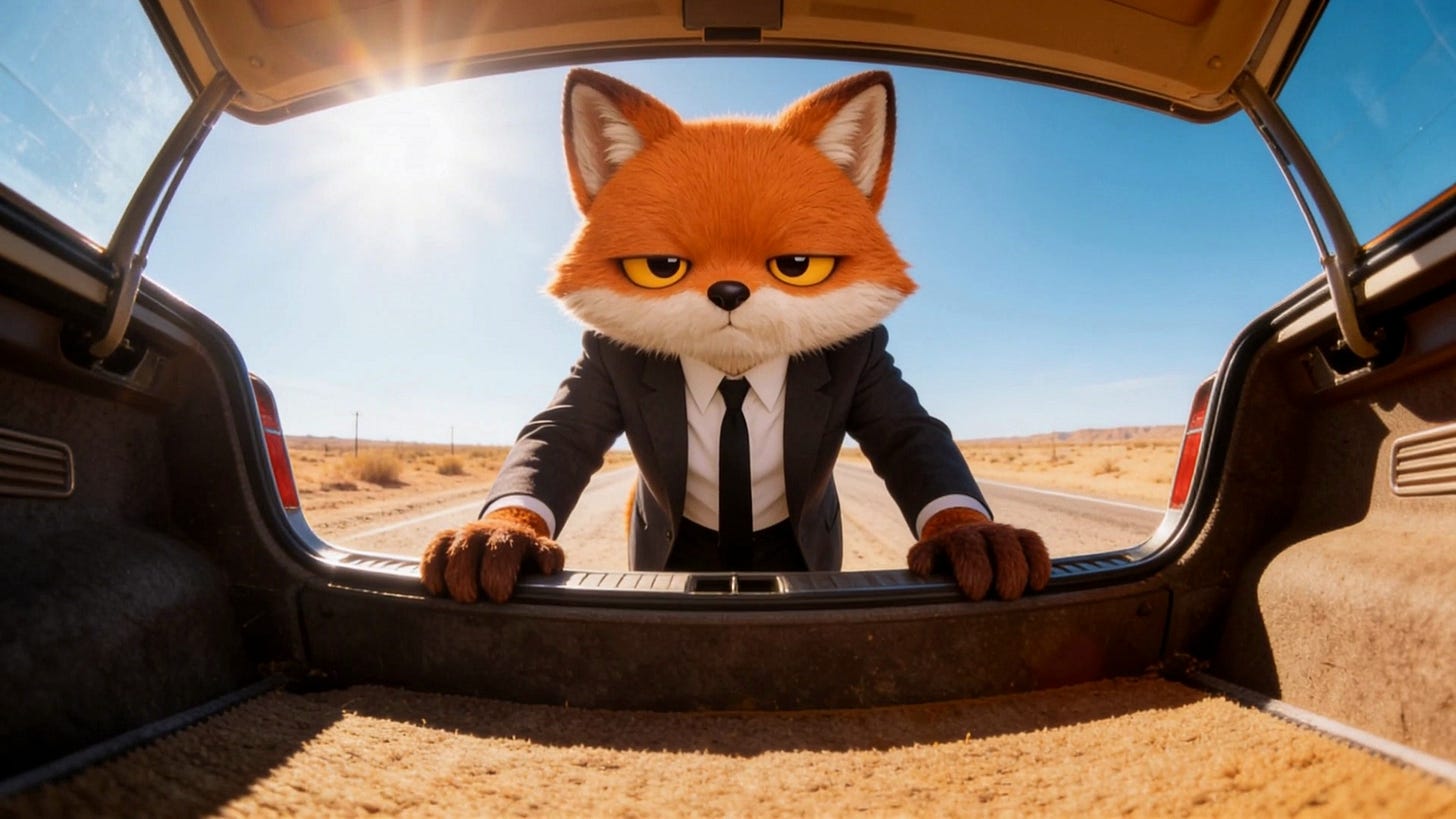
It took a few marathon sessions to get this right but once built, a lazy prompt like ‘grumpy fox drinking coffee’ will get me what I want almost always first time. If it makes a mistake, my focus is not on the output, but on why it didn’t do what I hoped, and how to fix for next time, so it works every time.

We started with images, but I’ve patiently trained it to understand that images need space for headlines. It must think about headline placement before it creates the images. It has been trained for contrast, for different fonts styles, different colours, alignment of the headline - all the small decisions you would intentionally make when you are making ads.

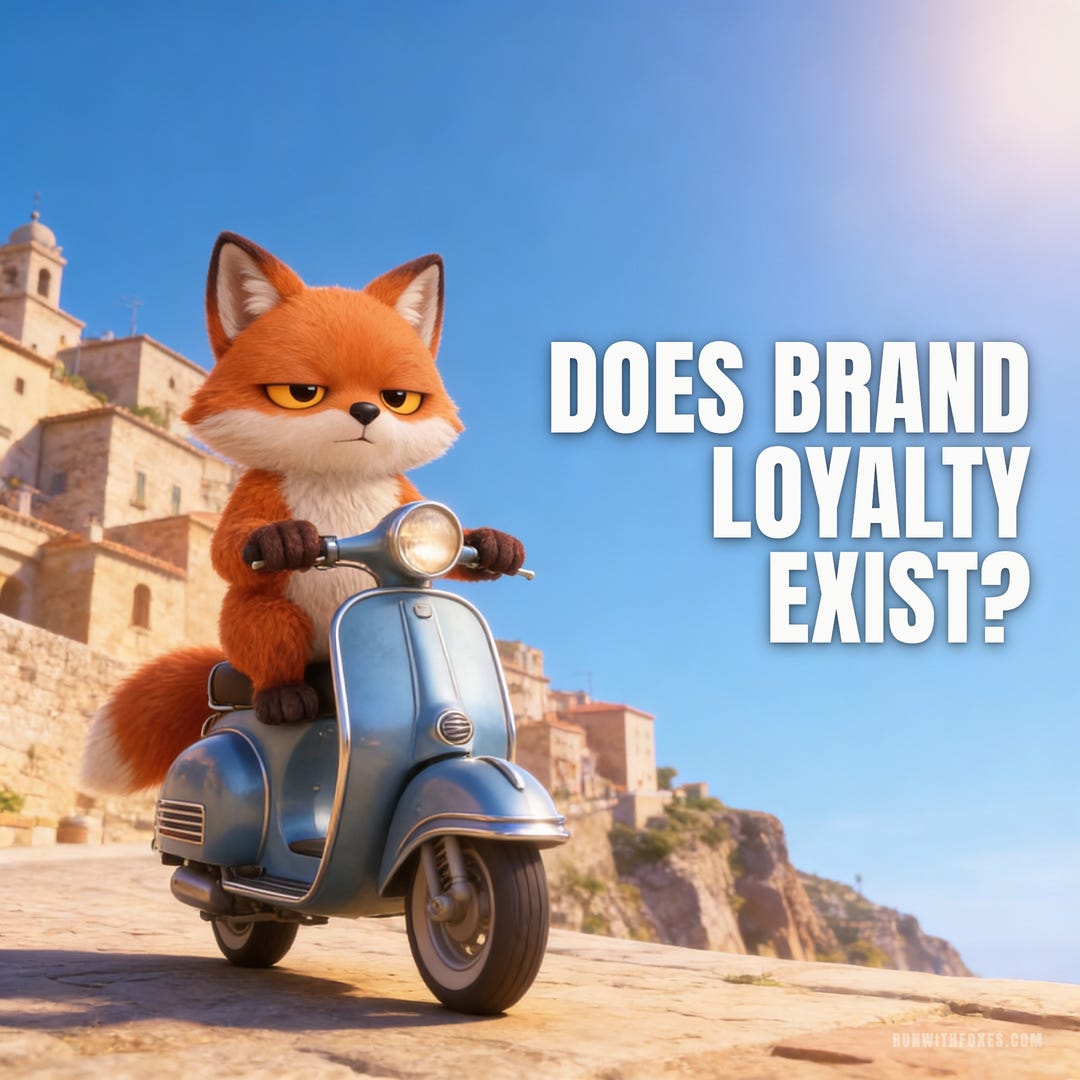
It can create video too. I’m still just creating short videos, under 10 seconds. But that is mostly what is needed for ads. I’ve focused on two types of videos. One is my tarantino-style cinematic ones. So high on visual impact, low on any messaging.
But often we need video ads that are more informative, with datapoints, benefit headlines or charts, CTAs. For these, the role of the fox is just a small nudge to make it easy for people to notice the brand. The headline is often the hero. These are what some call “sales activation” ads.
My focus is quality and speed. Speed is easy if you don’t care about quality. But I do. Getting both takes more time.
I find the best way to approach this is to build each system for a very narrow use case and put the hours into getting that exactly right, every time. For example, I’ve lost hours of my life testing this over and over to make sure the headline is not touching the fox. I’m not saying this is a good way to spend my time, but it upsets me otherwise.
How it writes headlines
I spent many years in direct-response advertising, the predecessor of performance marketing. Back in my youth, I earned the finer details of what headlines work and why. I studied the classics - Drayton Bird, David Ogilvy, John Caples, Claude Hopkins, Bob Stone.
So before writing any headline, I’ve trained my system to answer two questions from classic direct response advertising: what is the strongest benefit to the reader? And what would make a stranger stop scrolling? Only after answering those does it write headlines.
Build a system
The fundamentals are the same. Attention decay is a thing. Most purchases come from retrieving stuff from our brains - our memories are the biggest search engines. We must make sure the brand gets noticed, not just the ad. And building Distinctive Brand Assets is as important as ever. What’s changed is that one person with a terminal window can sweat these assets every day, in every format.
My focus is not making an ad. But building a system that makes quality ads consistently, easily.