Two ways I work with agents
Some work I hand to an agent the way I would hand it to a colleague. Some work I sit with, back and forth, for hours. They need two different setups.
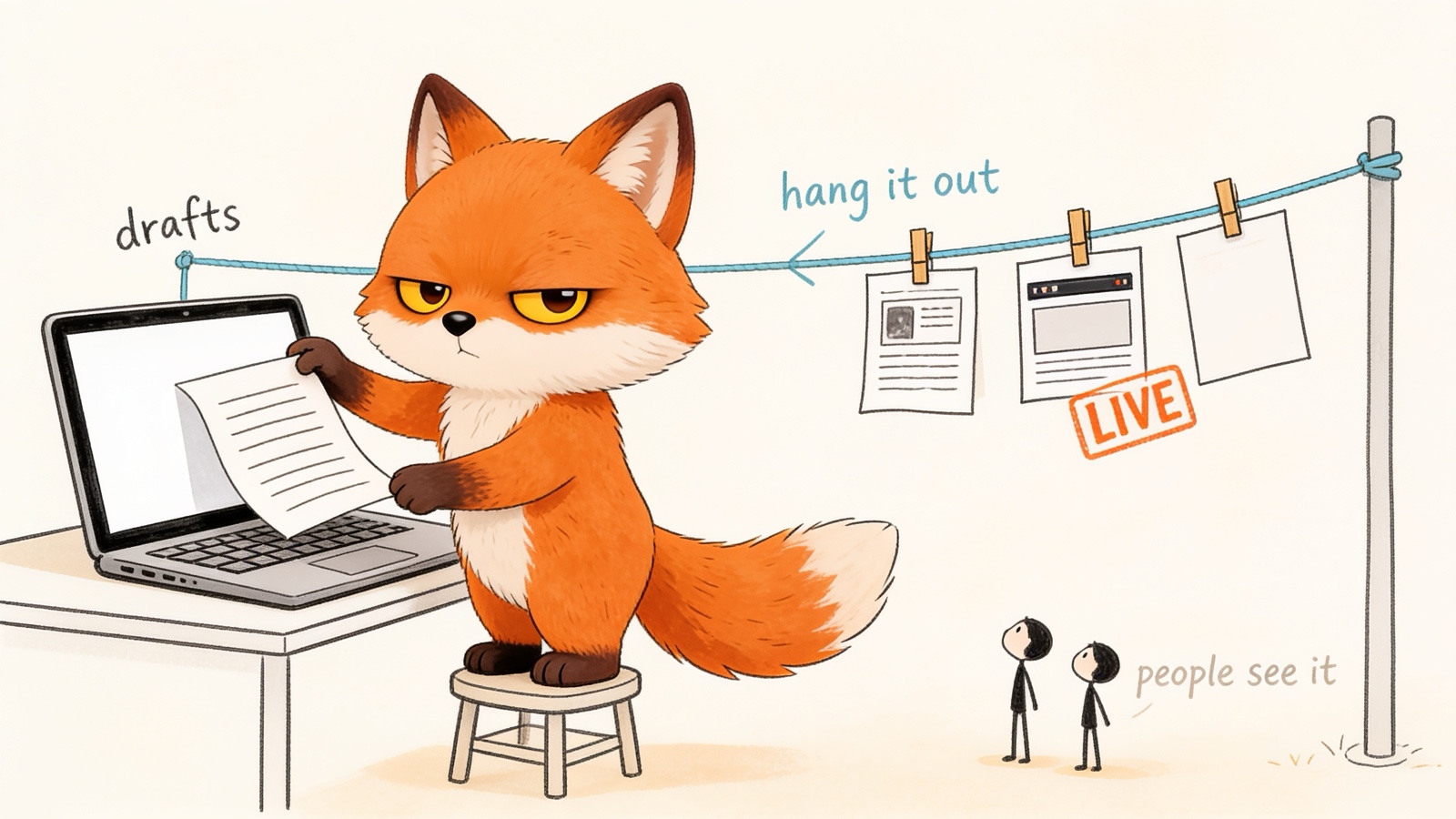
I work with agents in two ways. They're genuinely two very different types of work, and they need two different setups.
The first is delegating. I hand work to an agent the same way I might hand work to a colleague. I need to be specific about what I want and why I want it. I need to give the context, because context is important. I need to say what good looks like to me, when I need it, and maybe the format it should come back in.
With an agent there are two more things on top of that. Where is it going to get its information? And where is it going to put what it makes?
My research agent, Scout, works this way. I spent a full day on his job before he did any real work. What is his goal? What does he produce? What tools and documents does he have permission to use? Who checks him? Once that was written down, I stopped sitting with him. He does the work and puts it in the CRM, where I already look.
The second way is iterative, and it's a different type of work altogether.
When I work with Dray, my AI creative director, we might go back and forth for an hour or two on one thing. I take screen grabs and drop them in. I look at each piece. It's all about the craft.
A very large part of my work with Dray is teaching it. I invest the time so it can learn good practice and know what bad is, and then learn the specific rules for each brand.
I work like that because it's the area I care very much about, and it's where I have lots of expertise. Even when I do an email marketing campaign, the bit I spend most time on is actually the words.
That kind of work is usually on my laptop. It's back and forth, and back and forth again. It feels a lot like sitting with an art director, a designer or a planner.
The two setups are very different, but they have one thing in common. Whether I hand the work over or sit with it, both kinds of agent keep learning context, and both keep getting better.