Should you block AI crawlers?
Blocking a training bot and blocking a search bot have very different costs. Here is what each choice does, what Google says about Google-Extended, and how a firewall can block bots without you knowing.
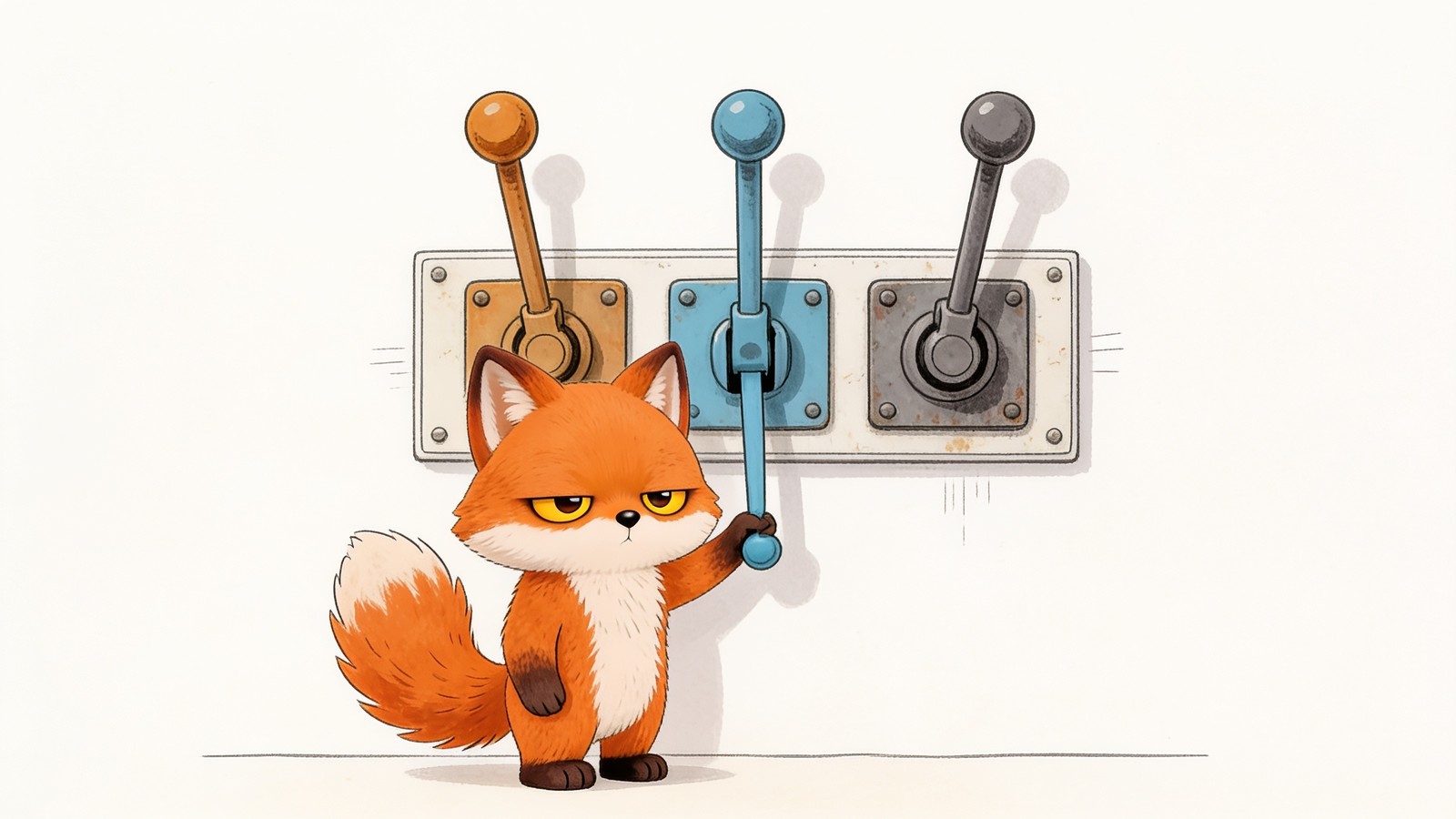
For most businesses that want to be found, we'd allow the search bots and decide separately about the training bots. The reason is that the bots do different jobs. Blocking a training bot tells a company not to use your pages to train its models, and the companies say it doesn't remove you from their search features. Blocking a search bot can take you out of that company's AI answers. Blocking the bots that fetch a page when a person asks can stop the tool reading your page for that person, although some of those bots say they may ignore robots.txt anyway.
What each block costs you
OpenAI says each of its bots is set separately, so you can allow OAI-SearchBot for search and disallow GPTBot for training. It says sites that opt out of OAI-SearchBot "will not be shown in ChatGPT search answers," though they may still appear as plain links. OpenAI also says changes take about 24 hours to take effect.
Anthropic says that blocking Claude-SearchBot means your content can't be indexed for search, which "may reduce your site's visibility and accuracy in user search results." Blocking ClaudeBot only excludes your future material from training. Blocking Claude-User means Claude can't retrieve your page when a person asks about it.
Perplexity says PerplexityBot is for search results and isn't used to train foundation models, and that Perplexity-User generally ignores robots.txt because a person asked for the fetch.
Google-Extended
Google-Extended is the robots.txt token for Gemini training and grounding. Google's crawler page says it "does not impact a site's inclusion in Google Search nor is it used as a ranking signal in Google Search." To control how Search itself uses your pages, Google's AI features page points to Googlebot rules and snippet controls such as nosnippet and noindex. Blocking Googlebot takes you out of Search, so it isn't a way to opt out of AI training.
How to write it
robots.txt is a plain text file at the top of your site. Each block names a bot and says what it may not visit. To keep a training bot out while leaving the search bot in, the file would say User-agent: GPTBot followed by Disallow: /, and then User-agent: OAI-SearchBot followed by Allow: /. Anthropic's own instructions work the same way, a User-agent line naming the bot followed by Disallow: /. Do it per subdomain if you want it to cover one.
Two limits apply. Google's documentation says robots.txt "cannot enforce crawler behavior"; it's up to the crawler to obey. And Anthropic warns that blocking by IP address is not a reliable alternative, because it can stop bots from even reading your robots.txt.
The firewall can decide for you
Your host or CDN may block bots before your robots.txt is read. Cloudflare announced on 1 July 2025 that it was "changing the default to block AI crawlers unless they pay creators for their content." Cloudflare's current documentation says customers can set their own access policies for AI crawlers, with search, agent and training presets, but the page we read doesn't say what the default is today. OpenAI's help page also says a host or CDN must let through OpenAI's published IP addresses for a site to be eligible for search. So a site can allow everything in robots.txt and still be blocked.
Our advice
This part is our advice. If you want to be found, allow the search bots and check your firewall settings with whoever hosts your site. Blocking training bots is a legitimate choice about your content, and it doesn't appear to cost you search visibility, but we haven't seen independent evidence either way on how it affects what AI tools say about you. We'd write down what you chose and why, and check it every few months, because the bot names and the rules change. See how AI tools find your website for what each bot does.
Read next: How do AI tools like ChatGPT find your website?, Do you need an llms.txt file? and How to get your brand mentioned in ChatGPT.
This note was drafted with AI and checked by Paul Dervan before it was published.
Sources
OpenAI, overview of its crawlers: developers.openai.com. OpenAI Help, ChatGPT search: help.openai.com. Anthropic, crawler and blocking guidance: support.claude.com. Perplexity, crawler guide: docs.perplexity.ai. Google Search Central, Google's common crawlers: developers.google.com. Google Search Central, "AI features and your website": developers.google.com. Google Search Central, introduction to robots.txt: developers.google.com. Cloudflare, "Content Independence Day", 1 July 2025: blog.cloudflare.com. Cloudflare, verified bot categories: developers.cloudflare.com.